
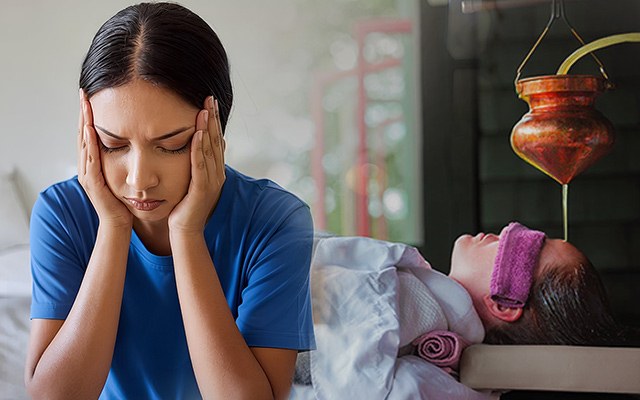
Your body is not lazy. It is overloaded, under-recovered, and silently falling apart one ignored symptom at a time. What modern medicine calls “lifestyle disorders,” Panchakarma has been solving for thousands of years — and the results are impossible to ignore.
Ayurveda warns that when digestion (Agni), detox (Shodhana), and nervous control (Vata) collapse together, fatigue, bloating, and mental fog become permanent—long before disease is diagnosed.
Why do stress, bloating, and fatigue refuse to leave despite normal test reports?
Recurring fatigue and bloating indicate toxin accumulation (Ama) and weakened digestive fire (Agni), silently disrupting metabolism and the nervous system.
This is where panchakarma treatment in Kolkata stops the slide and resets the system.
Today, we discuss why you feel stressed, bloated, always tired and panchakarma’s role in modern lifestyle disorders.
Let’s dive in.
Why do modern lifestyle disorders feel invisible yet overwhelming?
Modern lifestyle disorders develop when digestion (Agni), detoxification (Shodhana), and nervous balance (Vata) collapse gradually under stress, poor routines, and toxin accumulation (Ama).
Symptoms like fatigue, bloating, mental fog, and heaviness appear long before disease because imbalance precedes diagnosis in Ayurveda.
Now the deeper truth
Ayurveda does not wait for disease labels. It reads patterns.
When Agni (digestive fire) weakens, food is not fully transformed. This creates Ama (metabolic toxins). Ama blocks Srotas (body channels), disturbing Vata (movement), Pitta (metabolism), and Kapha (structure).
The result?
- Chronic fatigue without cause
- Bloating, constipation, sluggish digestion
- Anxiety, brain fog, emotional heaviness
- Weight gain that refuses to shift
- Recurring inflammation
This is why symptom-based solutions fail.
Who is Panchakarma most suitable for today?
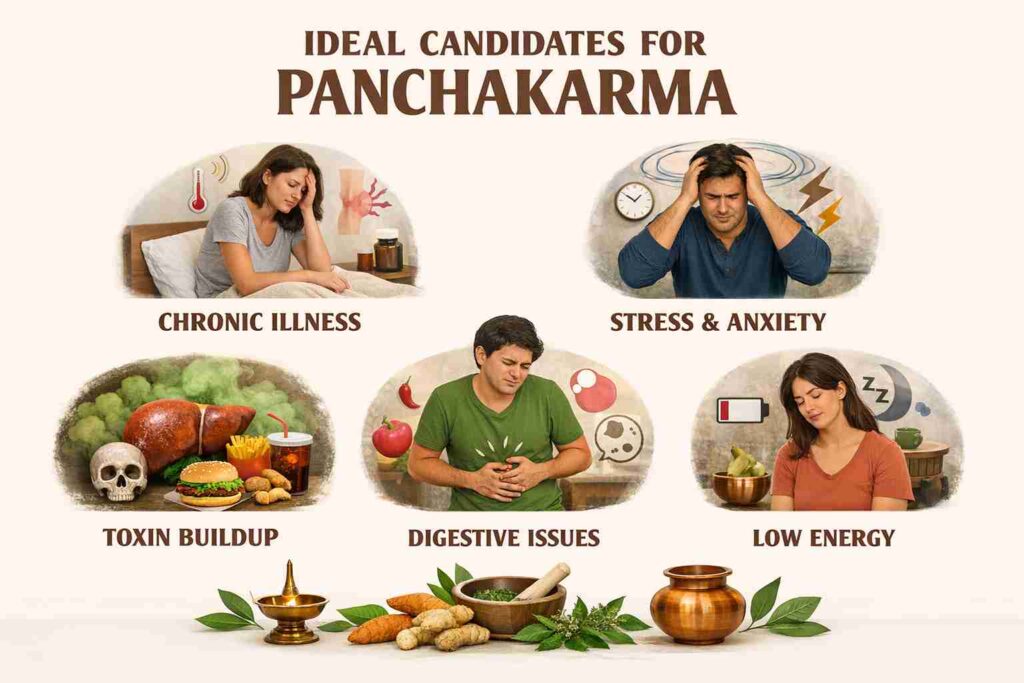
Panchakarma is suitable for individuals with chronic stress, digestive stagnation, fatigue, and toxin overload caused by modern routines, even when medical reports appear normal.
Signs you may benefit
If you resonate with three or more, your system is asking for intervention:
- Constant tiredness despite adequate sleep
- Bloating after simple meals
- Constipation or irregular bowel movements
- Feeling mentally “clouded” or emotionally dull
- Sensation of heaviness in the body
- Poor appetite or unpredictable hunger
- Stress that feels stored in the body
These are not minor complaints. In Ayurveda, they are early warning signals.
Who should avoid or delay Panchakarma? (Safety-first)
| Condition | Why caution is needed |
| Pregnancy | Panchakarma involves detoxification and is contraindicated |
| Severe weakness or cachexia | Body strength (Bala) must be rebuilt first |
| Acute infections or fever | Detox waits until the acute phase resolves |
| Recent surgery | The healing phase must be completed |
| The elderly with low vitality | Modified protocols only, under supervision |
Physician consultation is mandatory. Panchakarma is medicine, not a spa ritual.
How does Panchakarma work? (Step-by-step process)
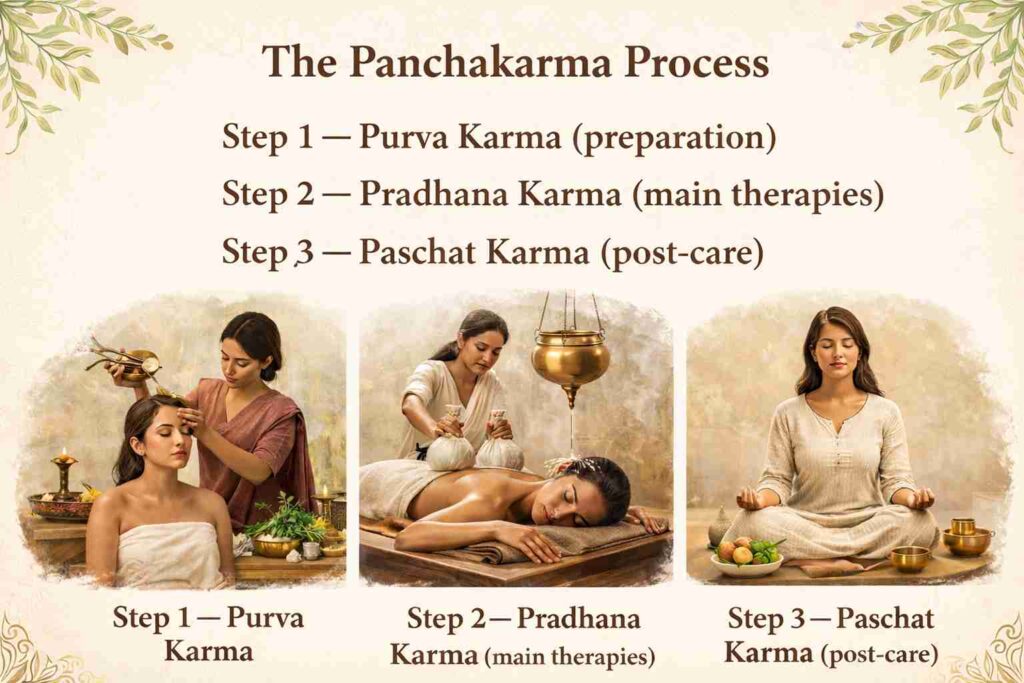
Understanding the panchakarma procedure/steps is essential because each stage is designed to prepare, cleanse, and stabilise the body in a precise therapeutic sequence.
Panchakarma works through a three-stage medical process that prepares the body, eliminates toxins, and stabilises recovery for long-term results.
Step 1 — Purva Karma (preparation): why prep matters
Purva Karma prepares the body to safely release toxins.
This includes:
- Deepana-Pachana (kindling digestion and digesting toxins)
- Snehana (internal and external oleation using medicated oils)
- Swedana (therapeutic sweating to loosen toxins)
Without preparation, detox becomes dangerous. Ayurveda never rushes cleansing.
Step 2 — Pradhana Karma (main therapies): the core cleansing phase
This is where actual detoxification occurs.
Based on dosha imbalance, specific therapies remove deeply lodged toxins from tissues and organs. This phase directly targets stress overload, gut stagnation, hormonal disruption, and nervous exhaustion.
Step 3 — Paschat Karma (post-care): diet + routine to stabilise results
Detox without stabilisation causes relapse.
Paschat Karma rebuilds digestion, restores strength, and resets daily rhythms (Dinacharya). This phase determines whether benefits last months or disappear in weeks.
What are the 5 core Panchakarma therapies, and what does each one do?
The five core Panchakarma therapies are Vamana, Virechana, Basti, Nasya, and Raktamokshana.
Each therapy targets specific dosha imbalances and removes deeply lodged toxins (Ama) under physician supervision.
Now, the deeper breakdown, therapy by therapy.
When is Vamana (therapeutic emesis) recommended in Panchakarma?
Vamana is recommended when excess Kapha dosha accumulates in the chest and stomach, causing heaviness, sluggish metabolism, and chronic congestion.
Vamana clears sticky Kapha toxins from the upper digestive and respiratory tract. It is considered when lethargy, weight gain, mucus congestion, and poor appetite dominate. This therapy is always performed after proper preparation (Purva Karma) and under strict medical supervision to prevent depletion.
How does Virechana (purgation) correct metabolic overload?
Virechana removes excess Pitta dosha and metabolic toxins (Ama) from the liver–gut axis, improving digestion and reducing internal heat.
When stress, irregular meals, or overheated foods overload metabolism, digestion becomes sharp yet inefficient. Virechana uses physician-selected herbal purgatives to safely expel excess Pitta. This resets metabolic balance, reduces bloating and acidity, cools inflammation, and restores digestive clarity without weakening the body.
Why is Basti / Vasti considered the most important Panchakarma therapy?
Basti is the most important Panchakarma therapy because it directly balances Vata dosha, which governs the nervous system and gut function.
The colon is Vata’s main seat. Chronic stress, irregular routines, and suppressed digestion disturb Vata, leading to fatigue, anxiety, constipation, dryness, and instability. Medicated oils or decoctions administered through Basti nourish tissues, calm the nervous system, improve gut health, and correct exhaustion at its root rather than masking symptoms.
What does Nasya therapy treat in Panchakarma?
Nasya treats toxin accumulation in the head and neck region (Urdhva Jatrugata), improving mental clarity and reducing stress.
Medicated oils introduced through the nasal passage clear sinus congestion, brain fog, hormonal imbalance, and emotional heaviness. Since the nose is considered the gateway to the brain, Nasya directly influences cognition, sleep quality, and emotional stability.
When is Raktamokshana (bloodletting) used?
Raktamokshana is used only in select cases where toxins lodge deeply in Rakta Dhatu (blood tissue).
It is indicated for specific inflammatory or toxin-loaded conditions and is never routine. Classical Ayurvedic texts emphasise strict case selection and expert supervision to ensure safety and therapeutic precision.
How long does Panchakarma take, and why duration matter?
Panchakarma duration for 7 days, 14 days and 21 days varies based on toxin depth, dosha imbalance, and body strength.
| Duration | Suitable for |
| 7 days | Mild imbalance, preventive detox |
| 14 days | Moderate lifestyle disorders |
| 21 days | Chronic fatigue, long-standing gut and stress issues |
Shortcuts weaken outcomes. Ayurveda respects biological timing.
What benefits can you realistically expect?
Panchakarma benefits include restored digestion, reduced stress, improved energy, clearer thinking, and better gut health through systemic detoxification.
Key panchakarma benefits include:
- Improved digestion and overall gut balance, making it effective as panchakarma for digestion and gut health
- Deep relaxation and emotional balance through panchakarma for stress relief
- Reduced bloating and smoother bowel movements, supporting panchakarma for bloating and constipation
- Better sleep quality and sustained energy levels
- A lighter body, clearer thinking, and stronger immunity
What does Panchakarma cost in Kolkata?
Panchakarma cost in Kolkata varies based on duration, therapies used, and physician supervision.
Cost reflects:
- Treatment length
- Quality of medicines
- Doctor involvement
- Customisation level
Cheap Panchakarma is an incomplete Panchakarma.
Why choose Ayusya Ayurveda for Panchakarma?
Ayusya Ayurveda practices classical Panchakarma, not commercial detox.
- Physician-led protocols
- Individual dosha assessment
- Authentic medicines
- Structured diet and routine guidance
- Safety-first medical approach
This is what defines the best panchakarma centre in Kolkata.
Panchakarma vs trending detox kits: what’s different and why it’s supervised
Panchakarma is a physician-supervised medical detox that removes toxins at the tissue level, unlike detox kits that stimulate elimination without correcting imbalance.
- Detox teas stimulate the bowels.
- Juice cleanses starve digestion.
- Supplements push elimination without direction.
Panchakarma removes toxins from their root location, restores Agni, and rebalances doshas. It is not aggressive. It is intelligent.
When imbalance speaks, Panchakarma listens
Fatigue, bloating, and stress are not your personality. They are signals. Ignoring them lets the imbalance settle deeper. Addressing them early restores control.
Panchakarma treatment in Kolkata at Ayusya Ayurveda is not about temporary relief. It is about resetting digestion, calming the nervous system, and reclaiming long-term vitality through authentic Ayurveda.
Your body already knows what it needs. The question is whether you’re ready to listen.
Book a consultation today!
People Also Ask
What is Panchakarma in Ayurveda?
Panchakarma is a classical Ayurvedic detoxification therapy that removes toxins (Ama), restores digestive fire (Agni), and rebalances the doshas through physician-guided cleansing.
Can Panchakarma reduce stress and chronic fatigue?
Yes. Panchakarma calms aggravated Vata dosha, nourishes the nervous system, and clears metabolic toxins that cause persistent fatigue and mental exhaustion.
Does Panchakarma help with bloating and digestion?
Panchakarma improves gut health by strengthening Agni and clearing intestinal toxins, reducing bloating, constipation, and digestive heaviness.
How long does Panchakarma treatment take?
Treatment typically lasts 7, 14, or 21 days, depending on the severity of the imbalance and the depth of the toxin.
Is Panchakarma safe for everyone?
Panchakarma is safe under medical supervision but should be delayed during pregnancy, acute illness, or severe weakness.